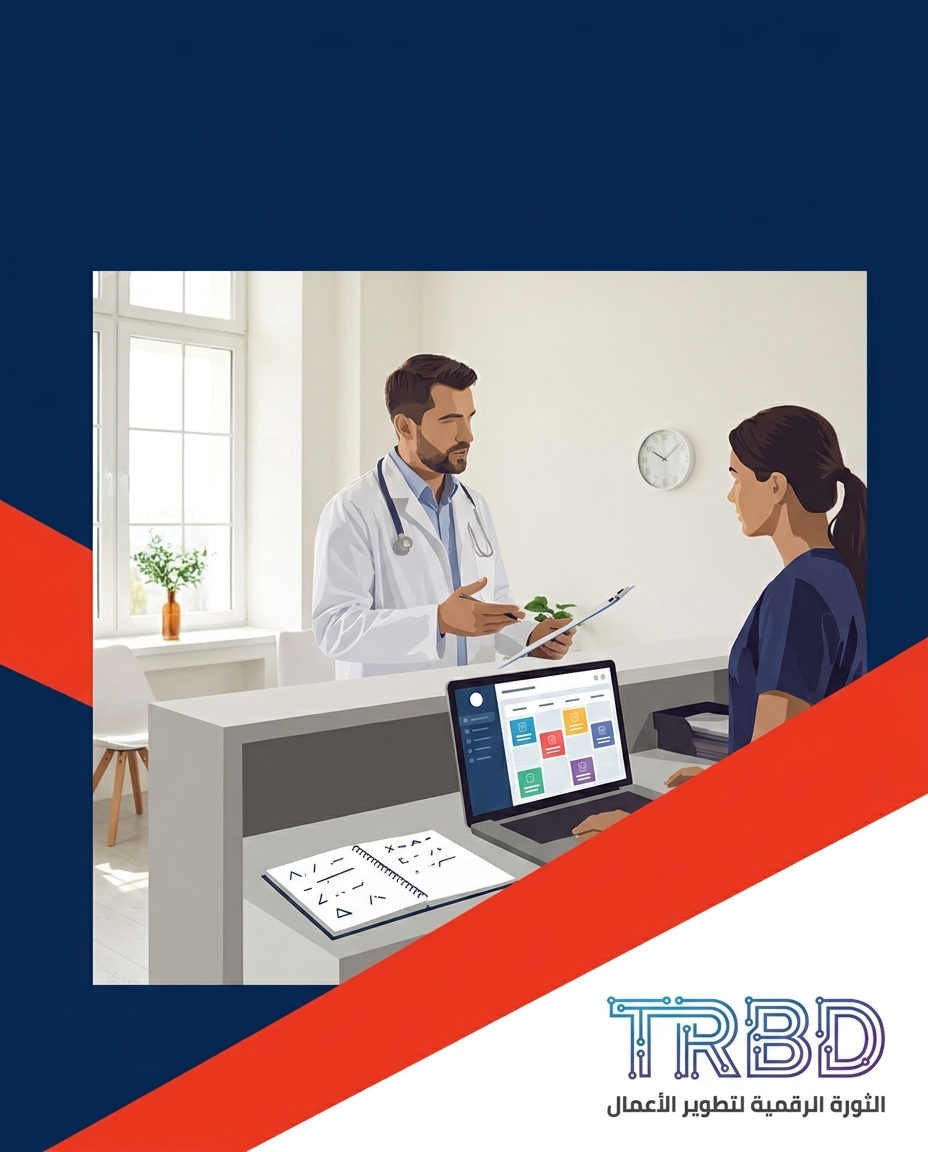
The clinic thinks its biggest problem is the appointment notebook that vanished from the secretary’s desk. The reality? A notebook lost for a day, but the difference between estimated and actual budget can sink a full month’s profit.
The operational problem
Between missed appointments and patients arriving without bookings, the clinic team runs after details instead of focusing on treatments. Every rescheduling takes half an hour of the dentist's or assistant’s time, plus half an hour from the client that could have been billed. When the paper book disappears midday, there is no clear record of cases, or associated expenses. The budget gap appears when these lost hours accumulate. The owner thinks today had 7 cases, but actually only 5 were completed, the rest cancelled or delayed, and actual expenses expanded beyond estimated.
Accounting doesn’t rescue the situation — monthly closing drags because paper records are reconciled with payroll and supplies logs. Based on our observations, small-to-mid firms relying on Excel and WhatsApp take 5 to 10 working days to close the month. This delay leaves a hole in reports, and the dentist over-purchases materials because estimates are wrong.
The bigger risk? Pre-scheduled sessions vanish with the notebook, forcing the team to call back and coordinate. This damages the clinic’s image with patients and hurts the operational ability to cover projected costs.
Why off-the-shelf tools fall short
Booking apps seem to end the chaos. But they often:
- Don’t integrate with existing ERP, so expenses don’t sync.
- Focus on booking only, without linking to inventory or invoicing.
- Lack Arabic-first design, lengthening staff training.
- Any minor adjustment in tax or currency needs outside support.
With a clinic facing a difference between estimated and actual budget, generic tools leave the deeper problem: linking booking data to accounting.
TRBD’s solution
Two core services from our list fit this case:
- ERP/CRM systems — link bookings to inventory and invoices, every patient entry ties to expenses and materials.
- Mobile apps — mobile interface for scheduling where dentist and assistant see updated calendars instantly.
Project steps:
- Understand current operations and link to expenses.
- Design UX/UI with Arabic-first.
- Develop interface and connect all clinic departments.
- Deploy the system and train new staff, cutting onboarding from days to 4 hours.
- Two-month follow-up to handle edge cases.
Expected outputs: reduce monthly closing to under 48 hours, eliminate lost appointments, weekly reports ready fast.
How a client starts with us
Email info@trbd.net or message WhatsApp https://wa.me/905537323153 or https://wa.me/963992367582 to request a free initial operational review.
Towards a new operational model for Damascus clinics
Having a difference between estimated and actual budget is not just an accounting problem, but a sign of weak integration of operational data. Dental clinics in Damascus and elsewhere face more patient load and rising costs, making the link between scheduling and expenses essential.
The market trend is clear: custom ERP wins over off-the-shelf because it understands local workflows. Numbers we’ve seen prove closing times can drop from 10 days to 2, freeing dentists’ time and tightening spend control. From our experience, any new system should start by clarifying operational habits before adding tech — physical inventory counts, invoicing for every operation, and strict controls over editing records. Once those habits are in place, tech becomes a true support tool, not a burden.